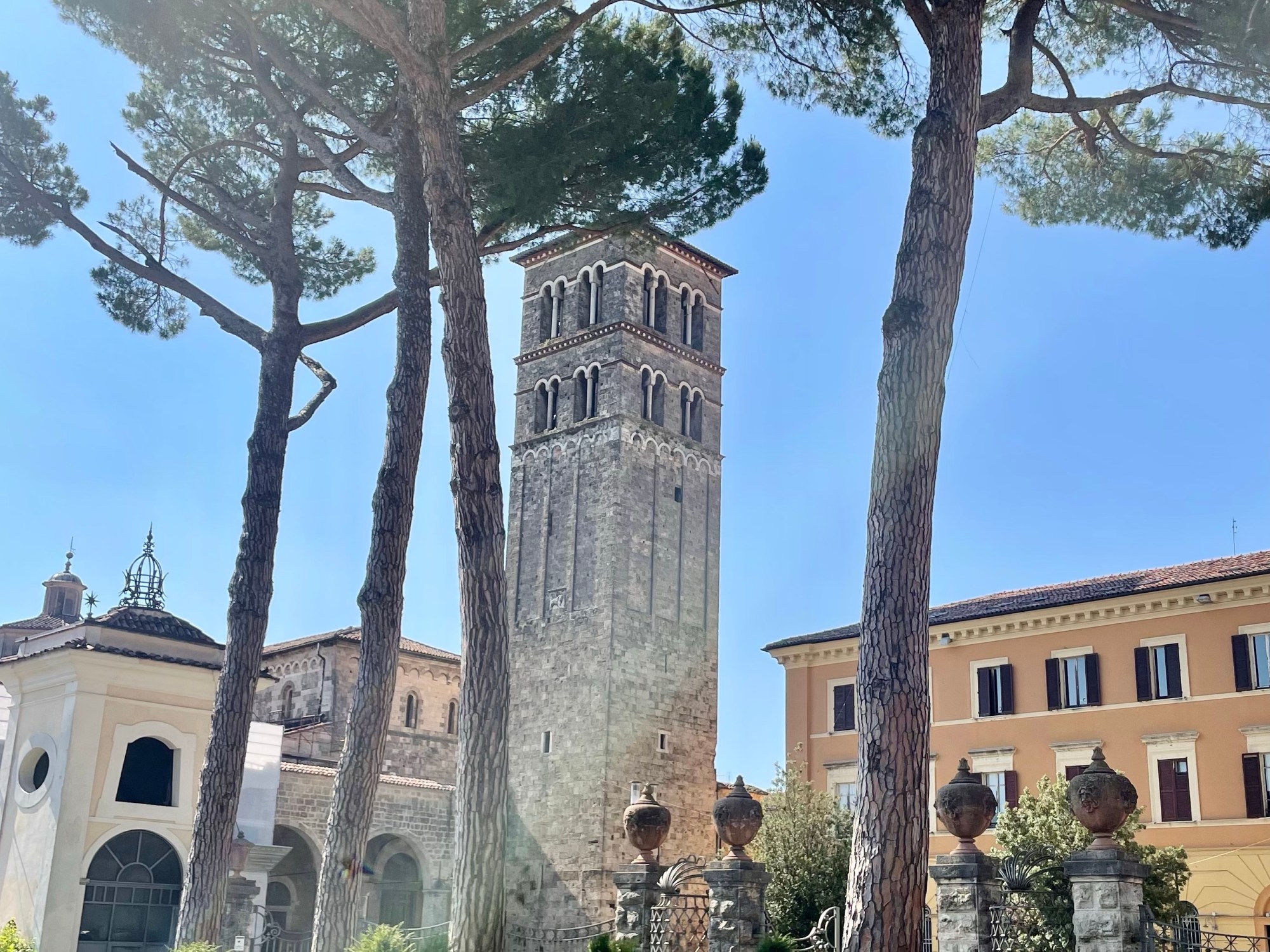
Stage 5 Poggio Bustone to Rieti
For this stage I had a companion, Alessandra, who has been walking since June 8th and is quite the avid walker and is on her way to Rome. Her companionship arrived just in time as waking up this morning was challenging, for the first time on this trip. Yesterdays walk was long and difficult, but todays promised to be more straight forward. The first major place we came across was Cantalice, which appears to have been a vertical town! It was rather daunting to come across the stunning view, knowing it had to be scaled.
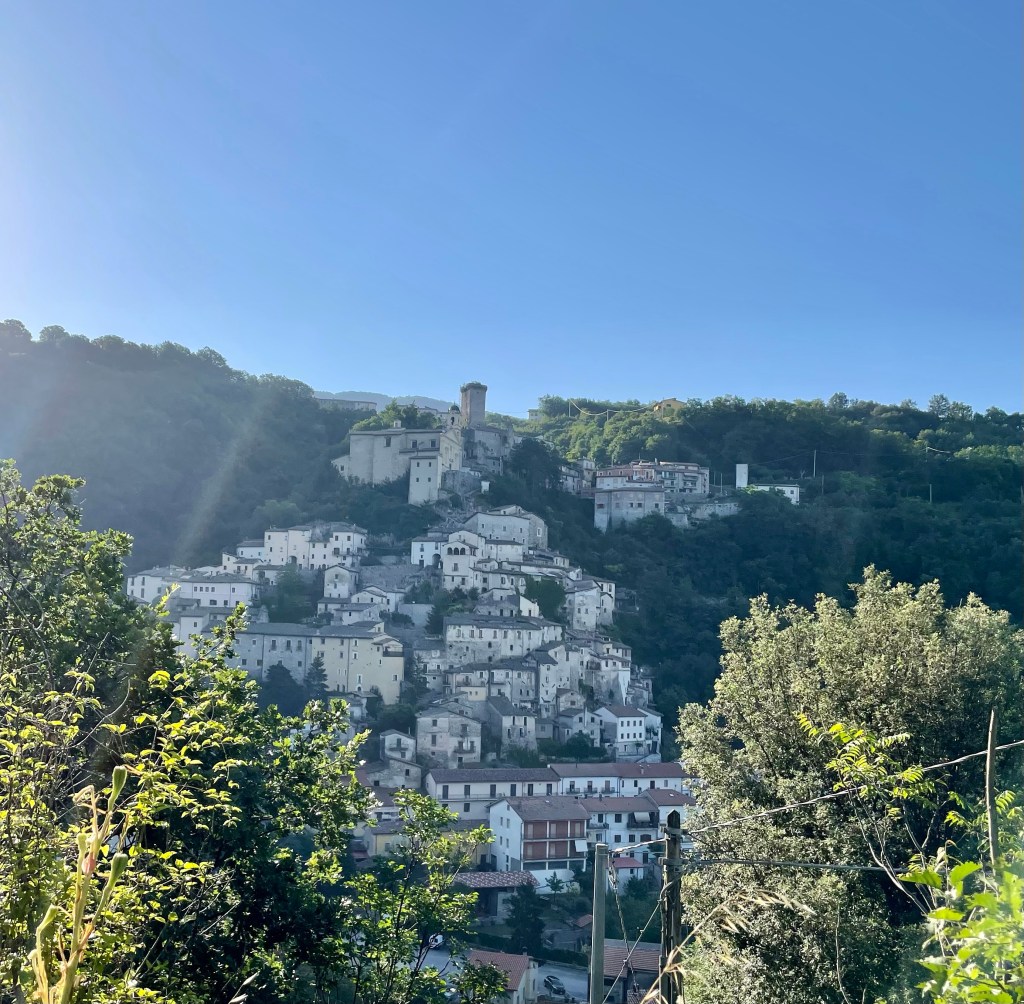
This was a particularly interesting place as it was home to St Felix the Capuchin who was a dear friend of St Philip Neri. St Felix would have walked from here to Rome where he carried out many good works. There is a charming story of S Felix kneeling to ask S Philip for his blessing, and S Philip kneeling in front of him saying he had to have his first. Both men were great friends to the downtrodden in 16th century Rome.
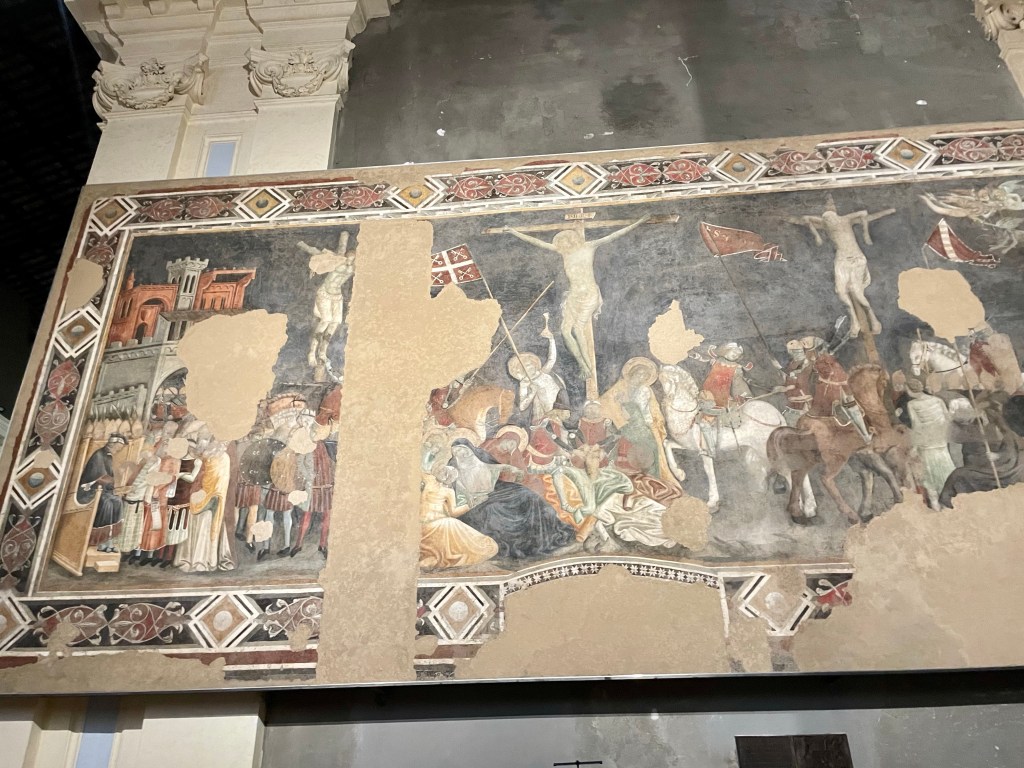
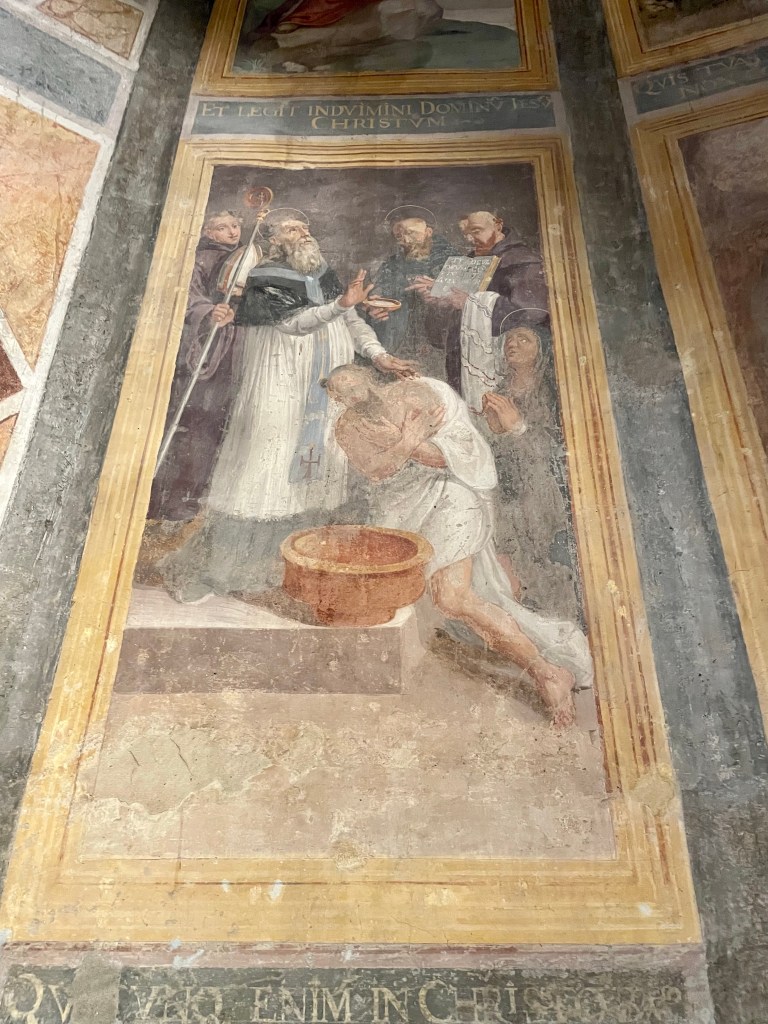
Upon arriving in Rieti I immediately stumbled upon S Augustine’s church, which has incredible frescos dating from the 1200s. The size and the quality of them is something to behold, it certainly helps one to imagine how the whole church may have been covered at one point depicting stories from the Bible and stories from the life of saints.
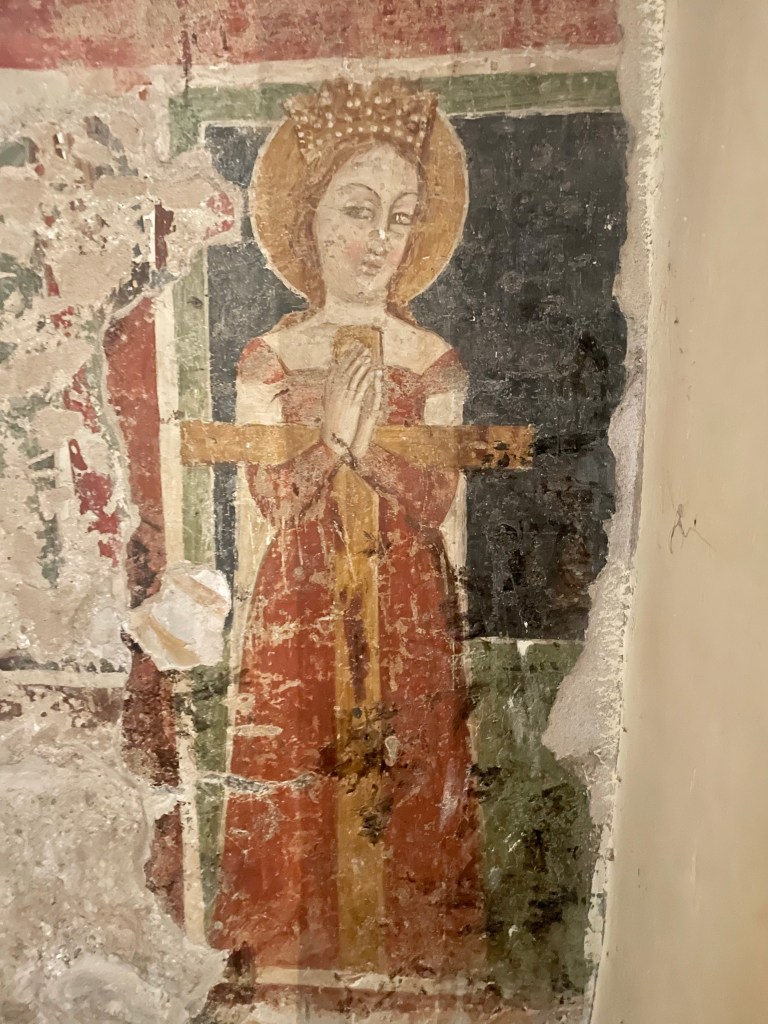
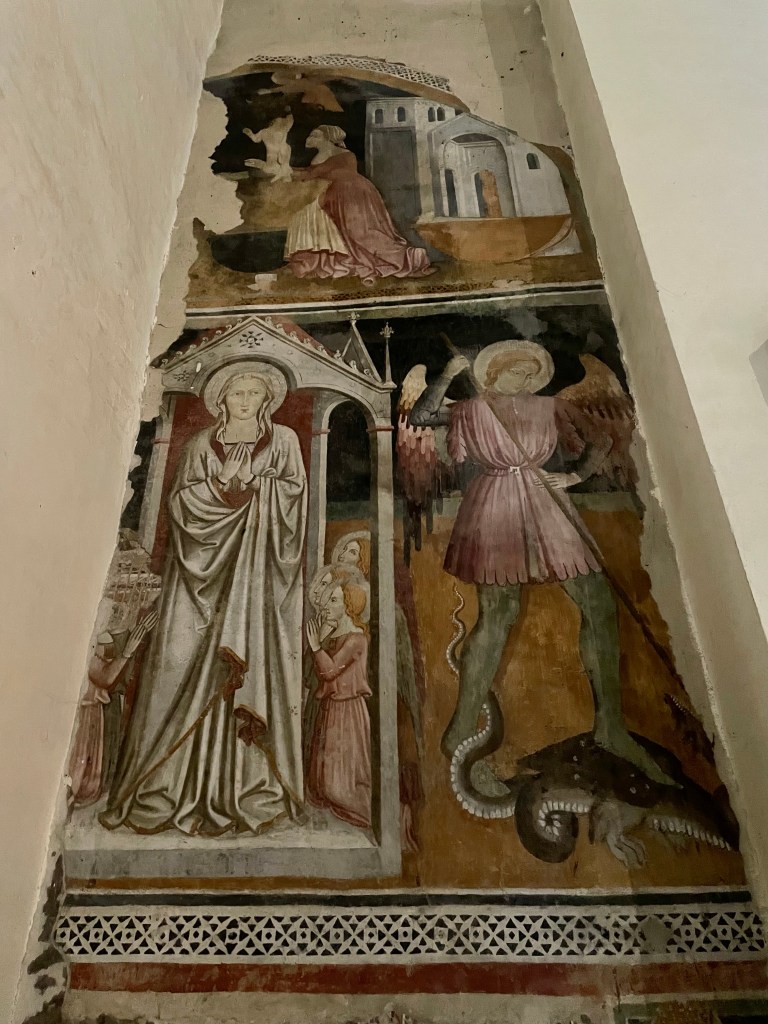
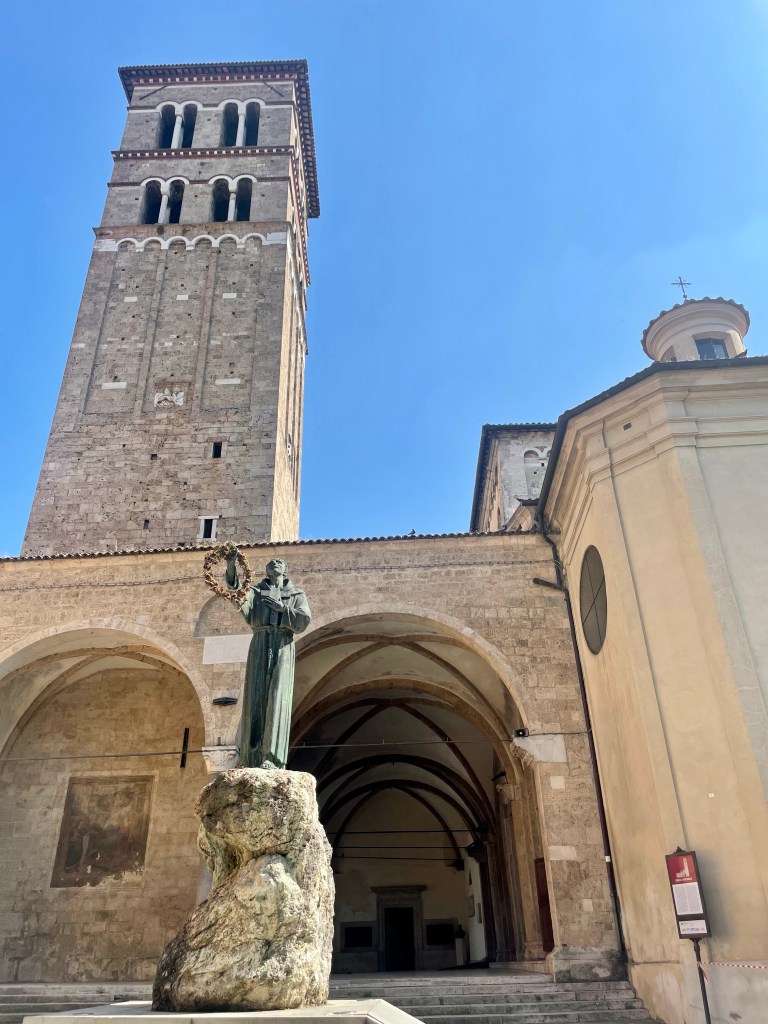
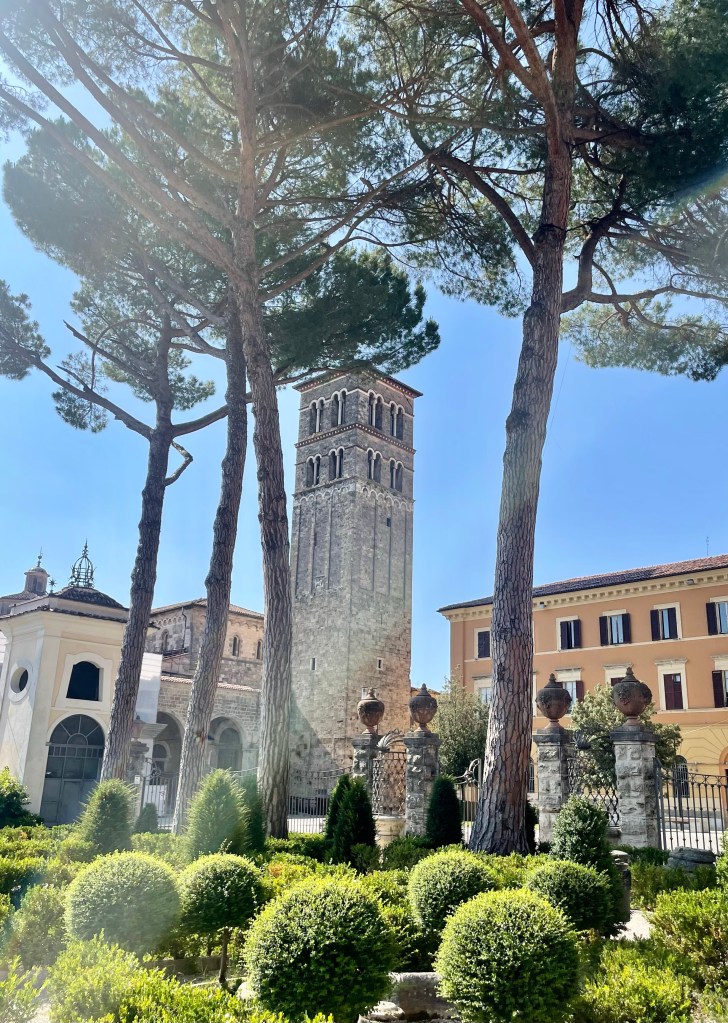
I also discovered that Reiti is the “centre of Italy” and has been known as such for over 2000 years, hence where Umbria got its name- umbilical cord. The city is pretty ancient with a lot of Roman history buried beneath it, and churches dating back to the 1100’s at least.
 Cammino di Maria